17 Products
-
-20%

-
-39%

-
-7%

-
-39%

-
-19%

-
-20%

-
-33%

-


-

-
-34%

-
-34%

-


show 17 collections
Let customers speak for us
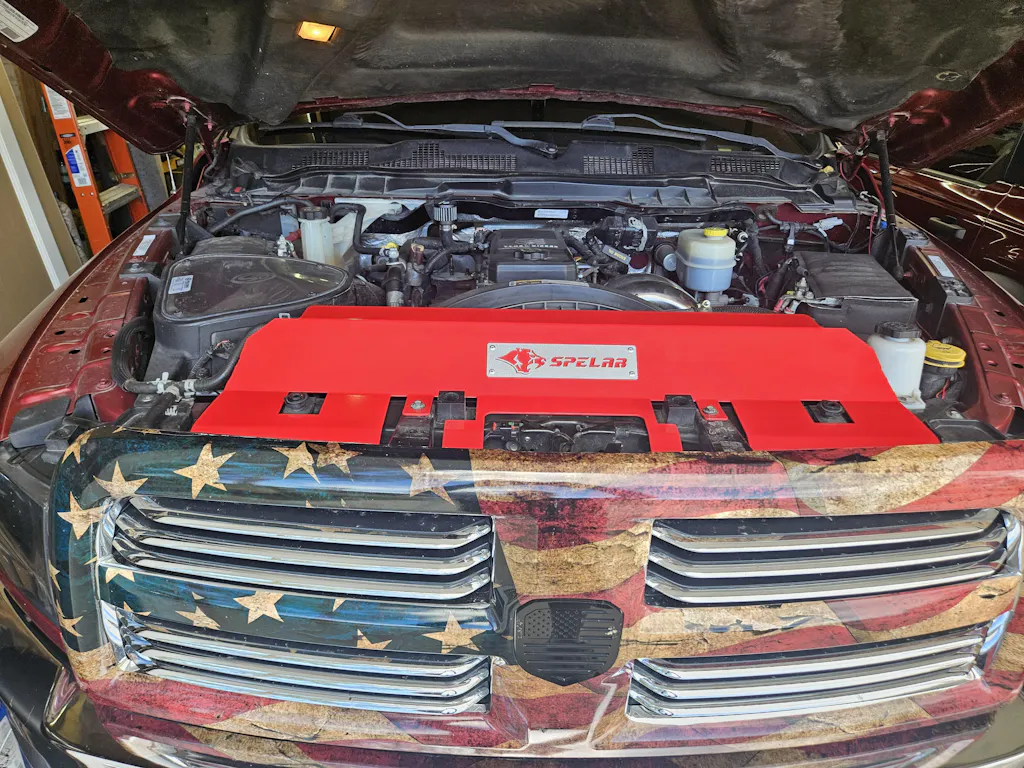
Darby Poulsen
Fit is good
So far it looks nice and fit pretty well.
Aluminum Radiator Cover for 2010-2018 Dodge Ram 2500/3500 6.7L Diesel | SPELAB
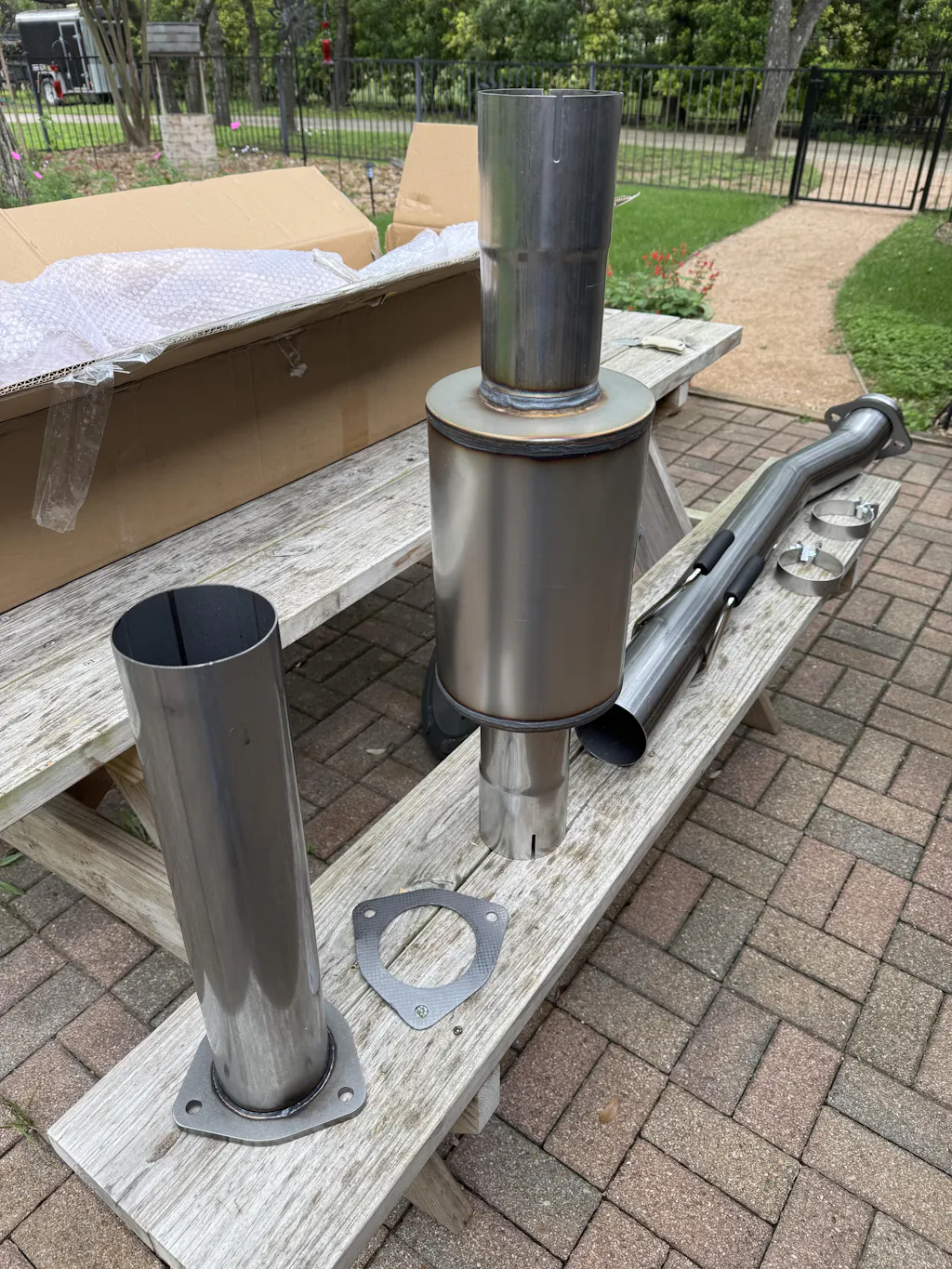
Mike M.
Very Well Built
Welds look solid and professional quality, I have not installed them yet but I did put them in place under truck to ensure length and thus far everything looks good. I will give an update after install and on the road with them
4‘’ 2011-2023 Ford 6.7 Powerstroke DPF Delete Race Pipe w/Muffler | SPELAB
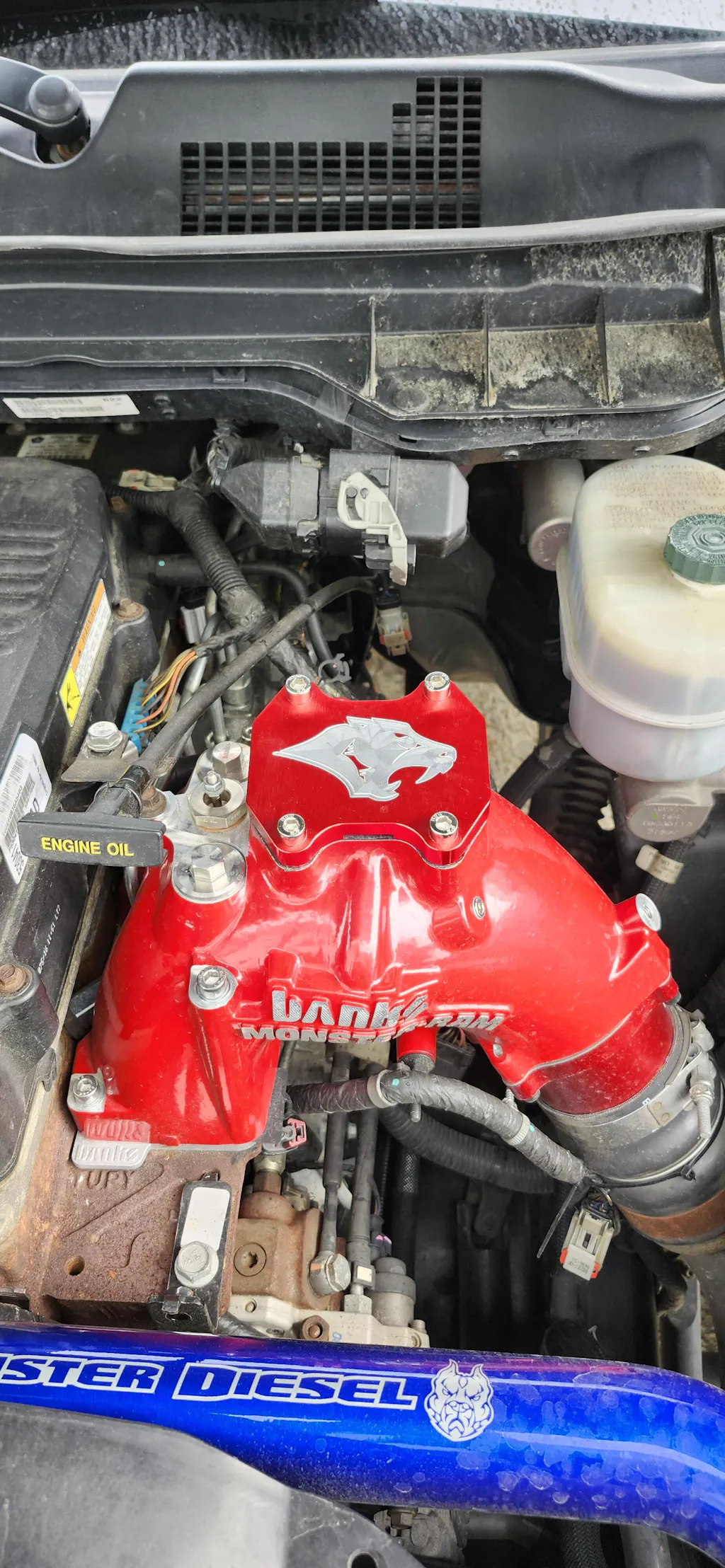
Michael D.
EGR Block-off Plate For 2009-2025 Dodge Ram 2500/3500 6.7L Diesel
Product came in earlier than expected and is made out of high quality materials. SPELAB hasn't let me down yet!!
EGR Block-off Plate For 2009-2025 Dodge Ram 2500/3500 6.7L Diesel | SPELAB
Ron Field
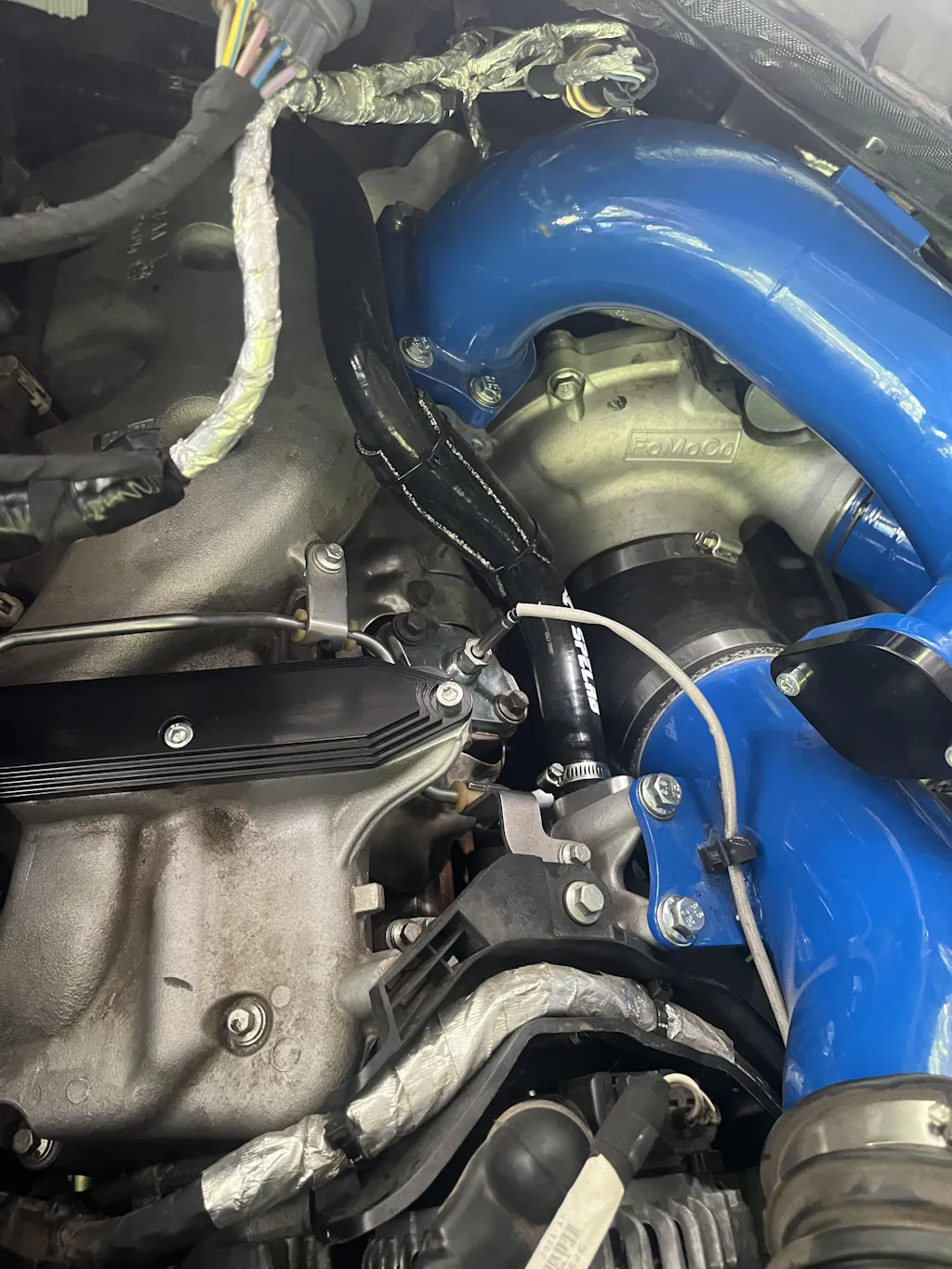
F250 coolant reroute kit.
The product installed perfectly high-quality superior part. For my 2022 f350. Coolant reroute kit.
Worry-Free Purchase
Corey Yergeau
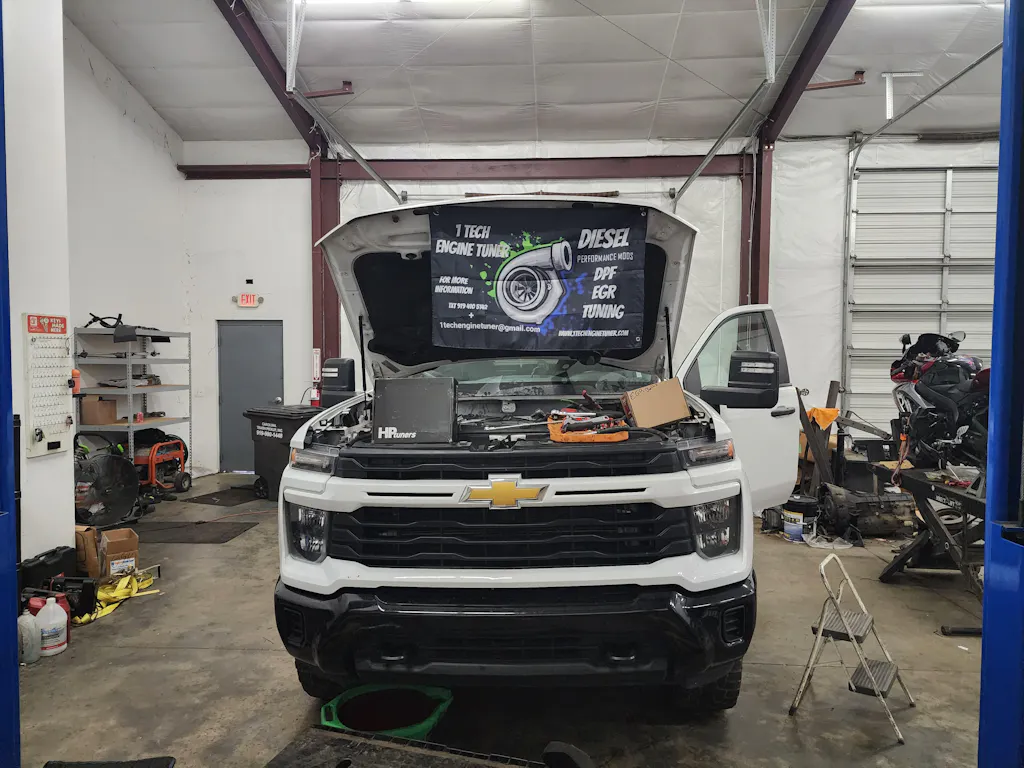
Fits perfectly
Everything works great all parts fit hangers fit have pictures if needed
EGR/DPF Delete Kit 2017-2025 L5P 6.6L Duramax Applicable Products | SPELAB
Lee Mullert
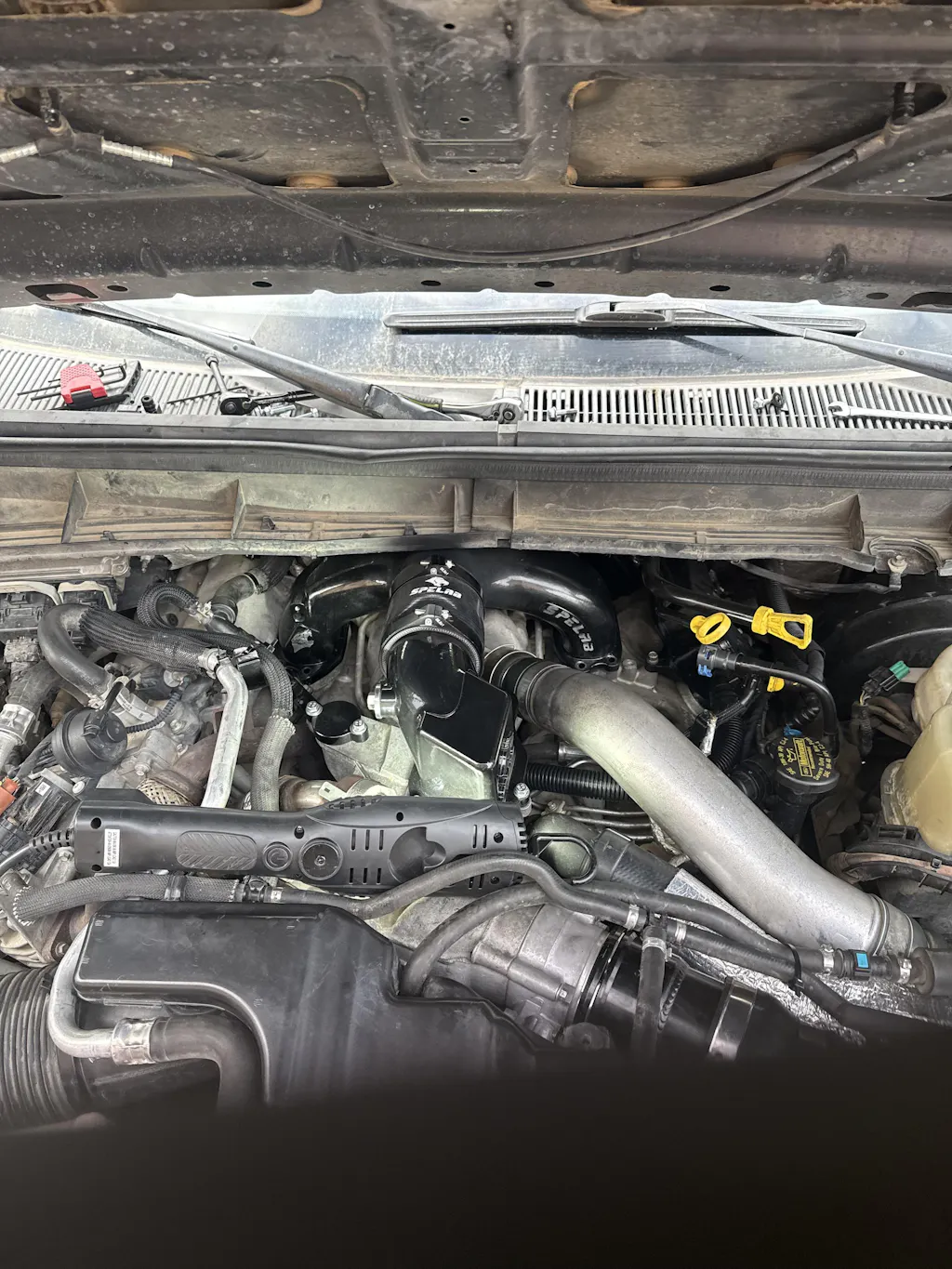
2014 F350
This is a really nice set up inexpensive but well-made. Make sure you use 1/4 inch drive and torque wrench, if you get the half socket 10mm and multi size extensions even better it’ll make getting those two back bolts easy
Intake Manifold for 2011–2019 Ford F250 F350 F450 F550 6.7L Powerstroke | SPELAB
CP
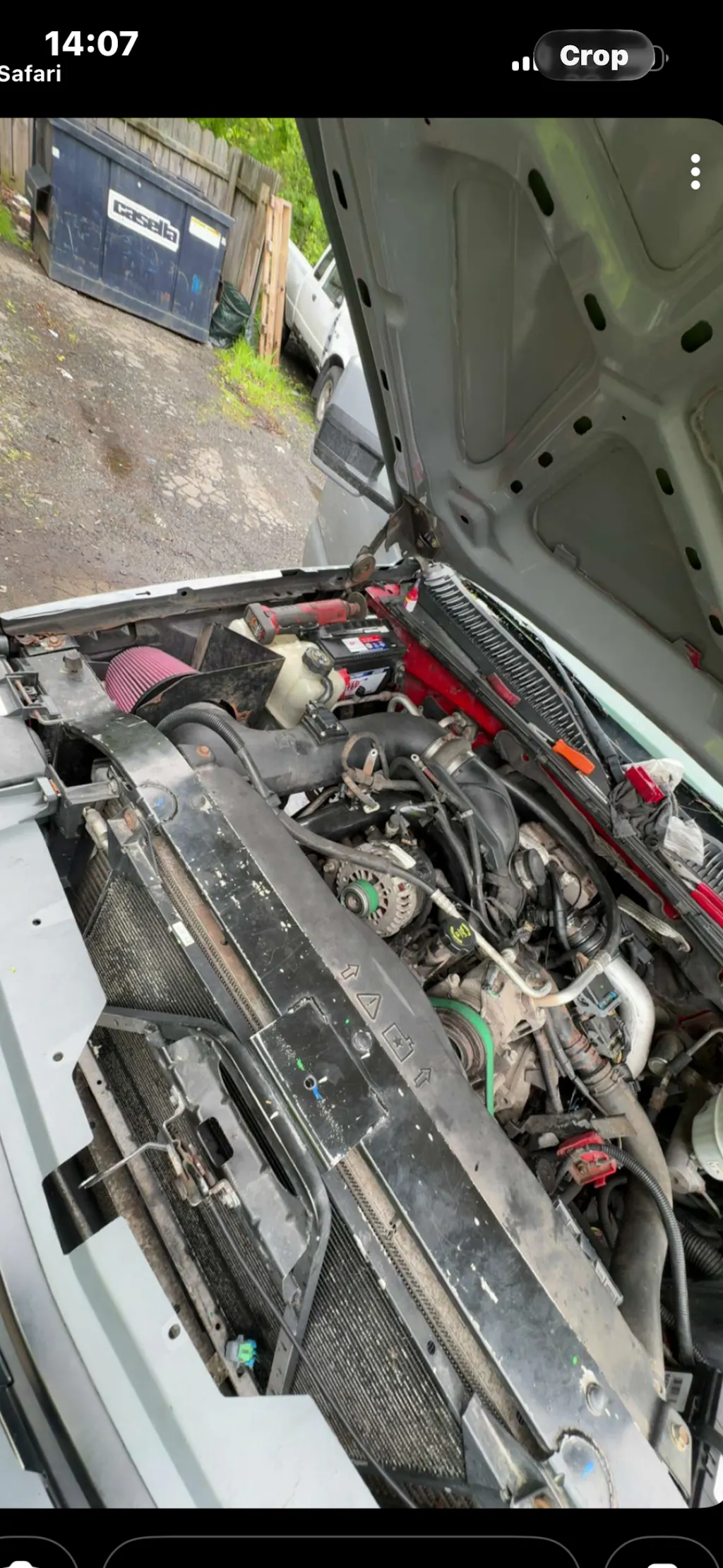
EGR delete is mint
Makes truck breathe better and will definitely blow your y bridge out so do that while you’re in there looks great and fits up pretty good not perfect
SPELAB 2006-2007 6.6L Duramax LBZ EGR Delete Kit w/High Flow Intake Elbow
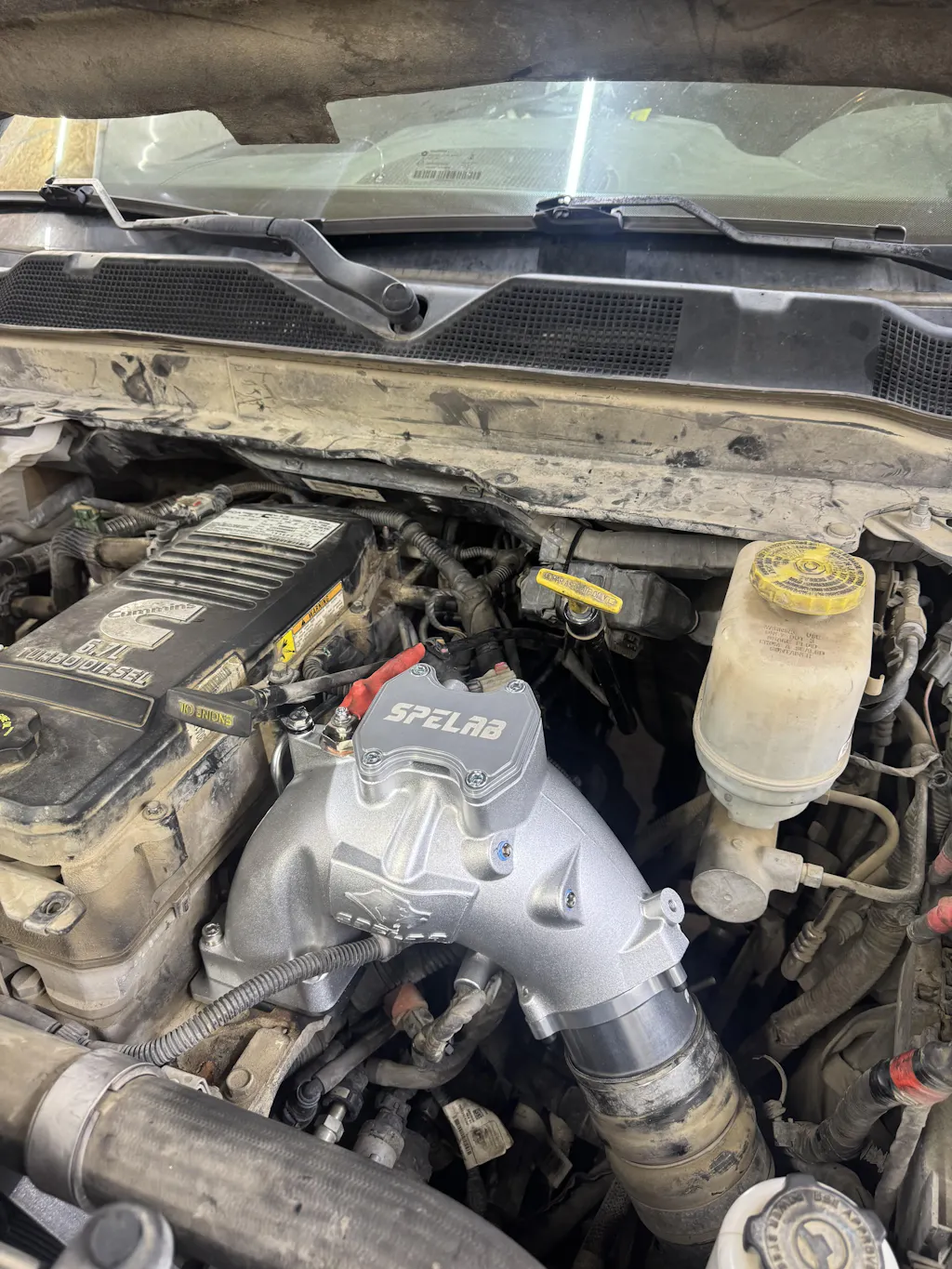
Drew Cook
Great Fit and Easy Install
Installed this SPELAB EGR Throttle Valve Delete on my 6.7 Cummins and the fitment was perfect. The kit was well made, installation was straightforward, and all the necessary parts were included. Everything lined up as it should and the truck runs great. Highly recommend for anyone looking for a quality replacement component.
EGR Throttle Valve Delete for 2007-2025 Dodge Ram 6.7L Diesel | SPELAB
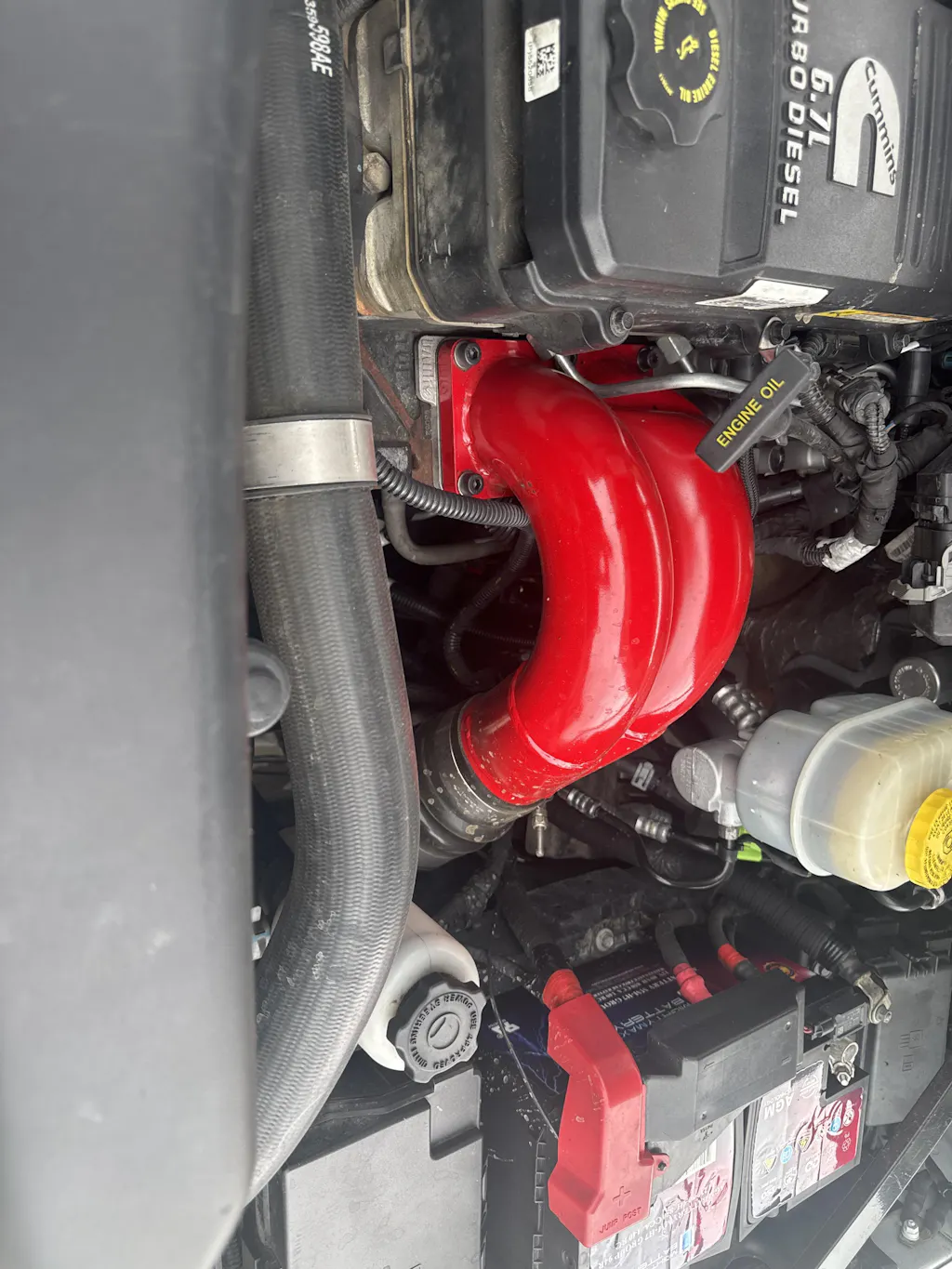
Nick F
Budget friendly
I originally had the Banks Monster Ram intake with grid heater delete, and costed $1200. Recently I decided to give Spelab a try for their 3.5” pusher style intake with grid heater delete. Fraction of the price and performs the same. Only regret I have was my purchase of Banks.
3.5‘’ Intake Manifold with Heating Element for 2007-2024 Dodge Ram 2500/3500 6.7L Diesel | SPELAB
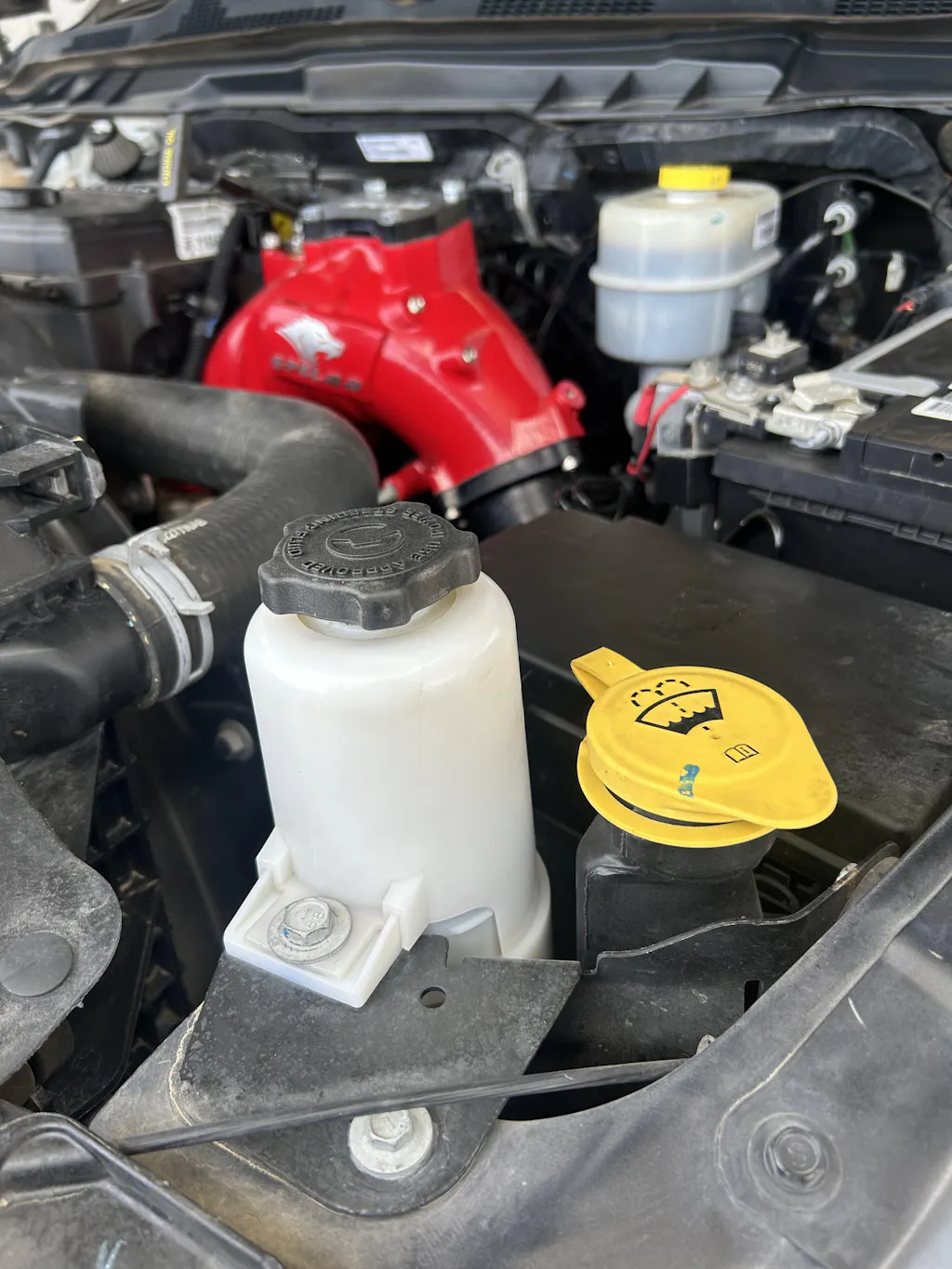
Shawn Plank
Heater element
Great product
Heating Element for 2007.5–2024 Dodge Ram 6.7L Diesel | SPELAB
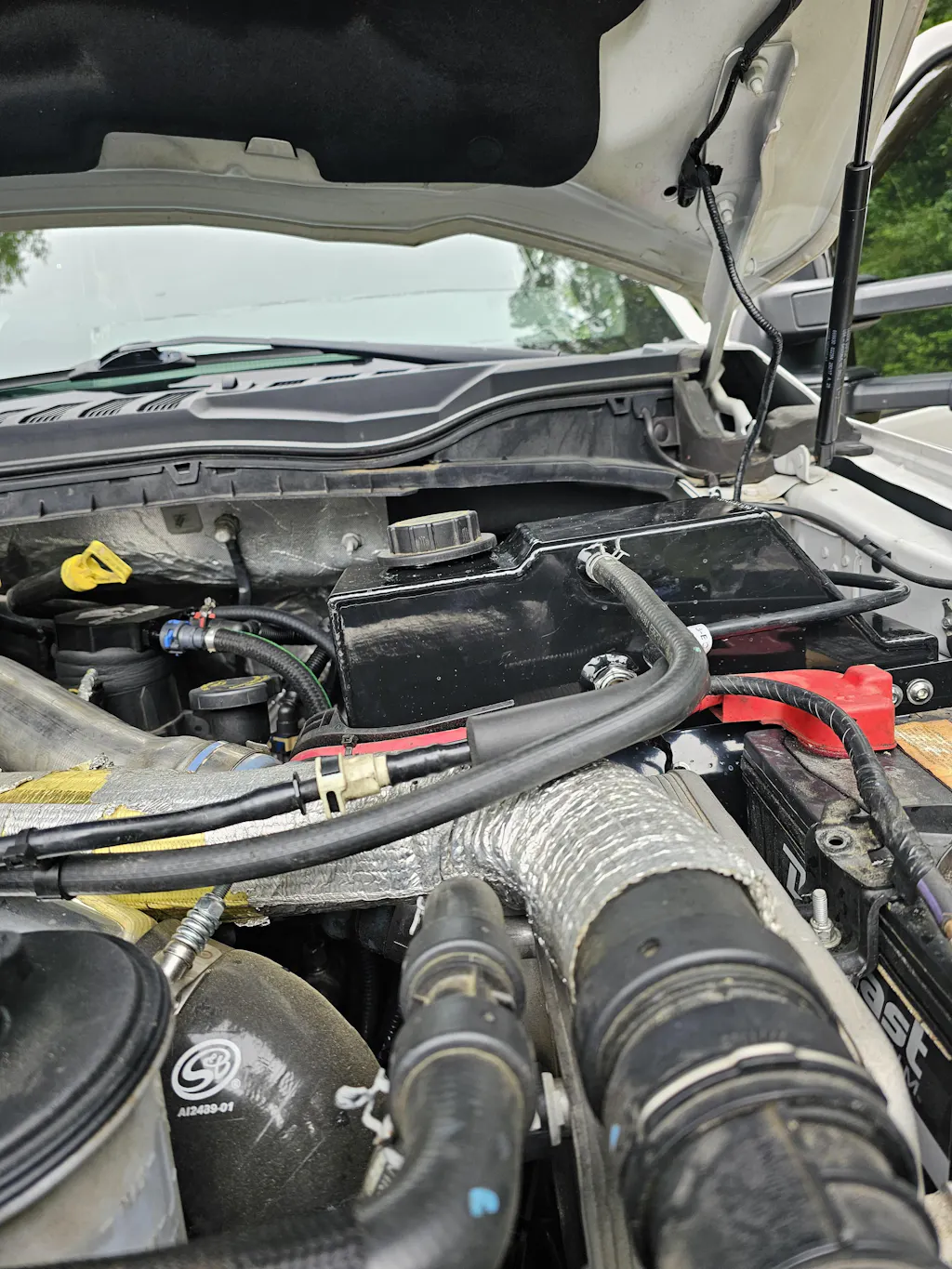
Isaac Wood
Good product fast sipping was not that bad of a job
Worry-Free Purchase
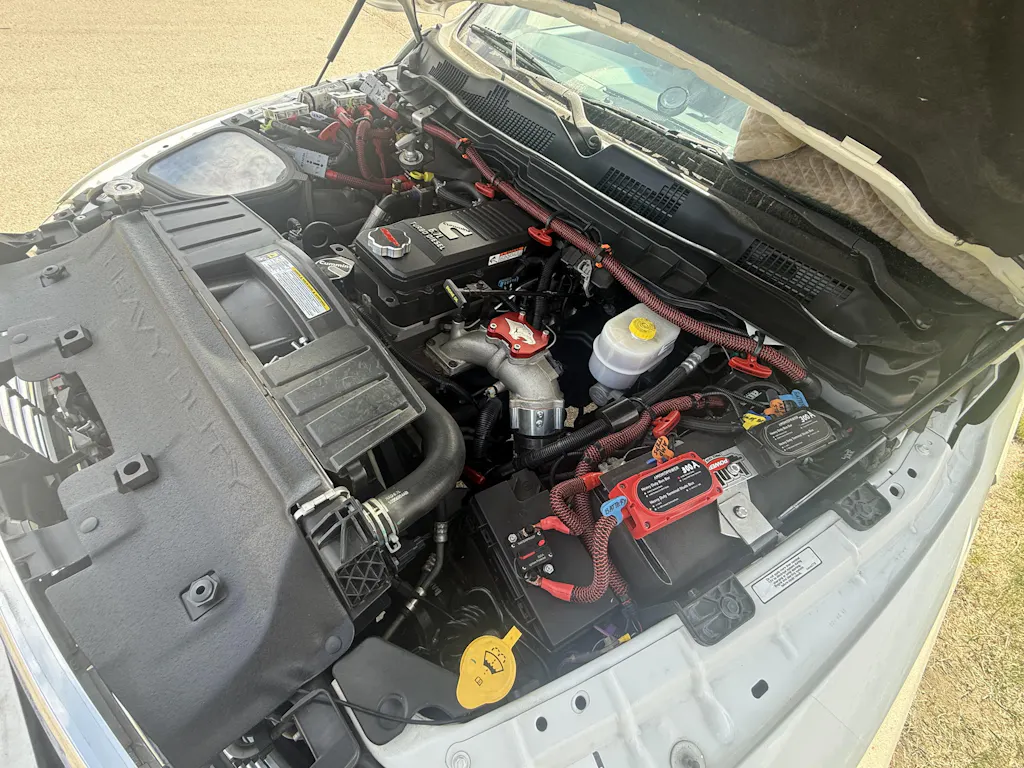
John Marcotte
Very nice billet
Nicely done ✅
EGR Block-off Plate For 2009-2025 Dodge Ram 2500/3500 6.7L Diesel | SPELAB
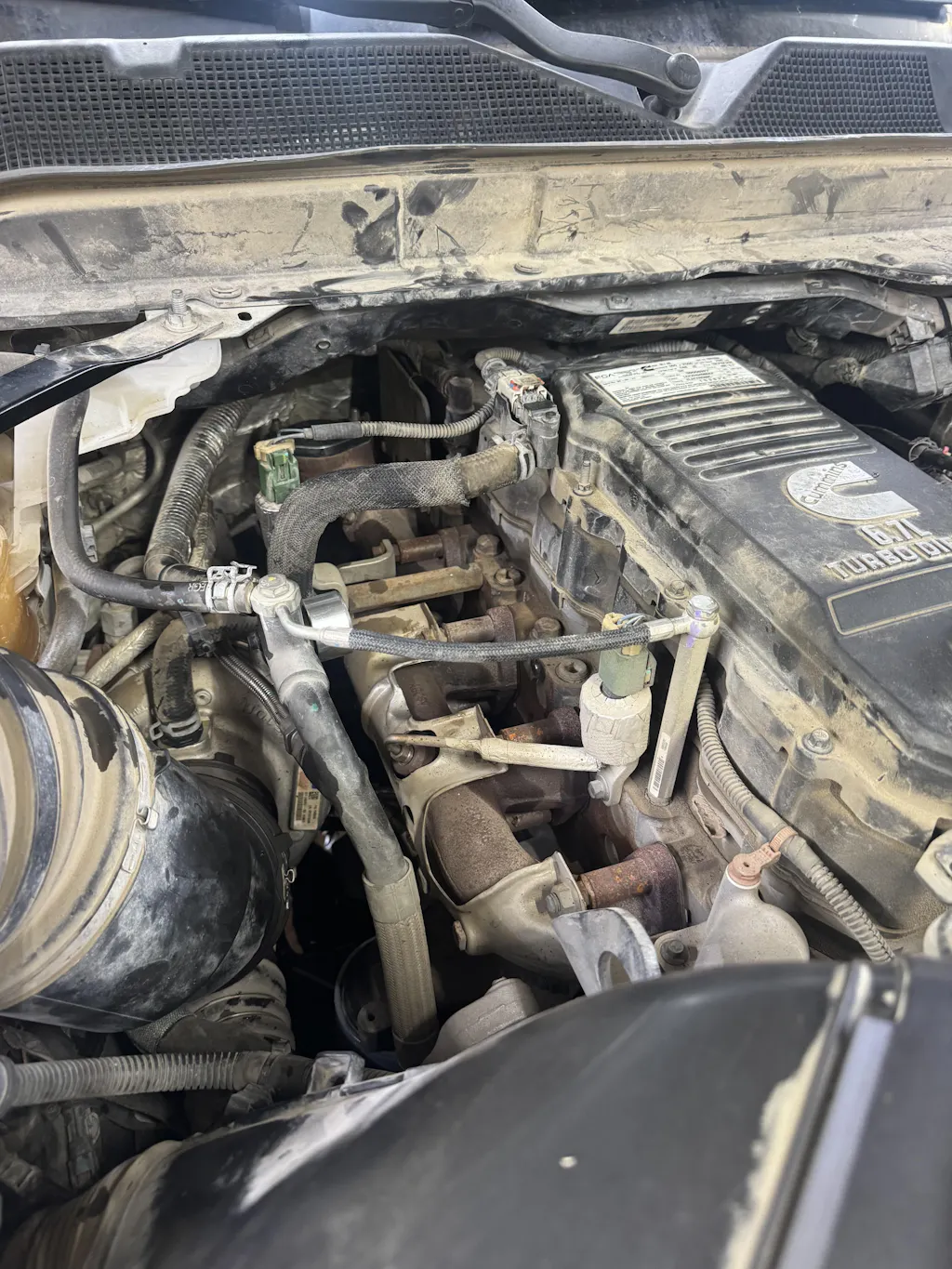
Drew Cook
Reliable Quality and Perfect Fit
Easy installation and everything fit perfectly. The kit is well-made, comes with the necessary components, and worked as expected. Shipping was fast and the quality exceeded my expectations. Highly recommend for anyone looking for a reliable EGR delete kit.
EGR Delete Kit for 2013-2023 Dodge Ram 6.7L Diedel Cab & Chassis SPELAB
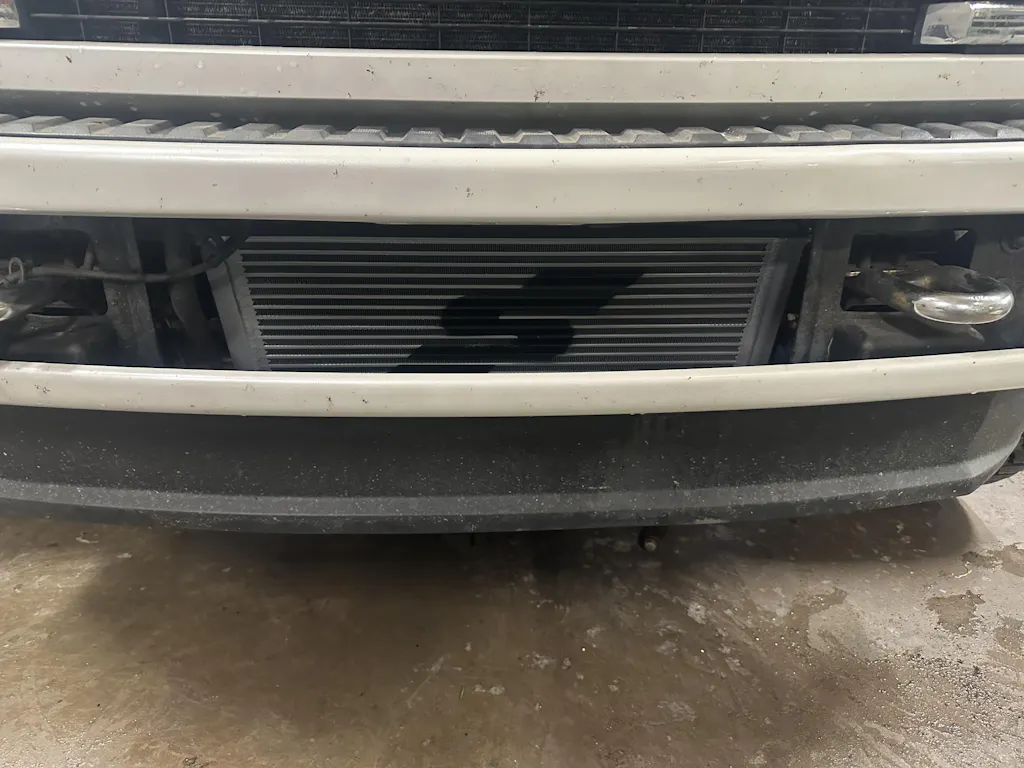
Jason Hanshaw
Quality construction
Very impressed with the quality of the cooler. Couldn’t find any instructions for the install. However, I was able to figure it out and plan to post a video for anyone else who may need help with the install.
Transmission Cooler Kit For 2011-2016 Ford 6.7L Powerstroke Trans Cooler Kit | SPELAB
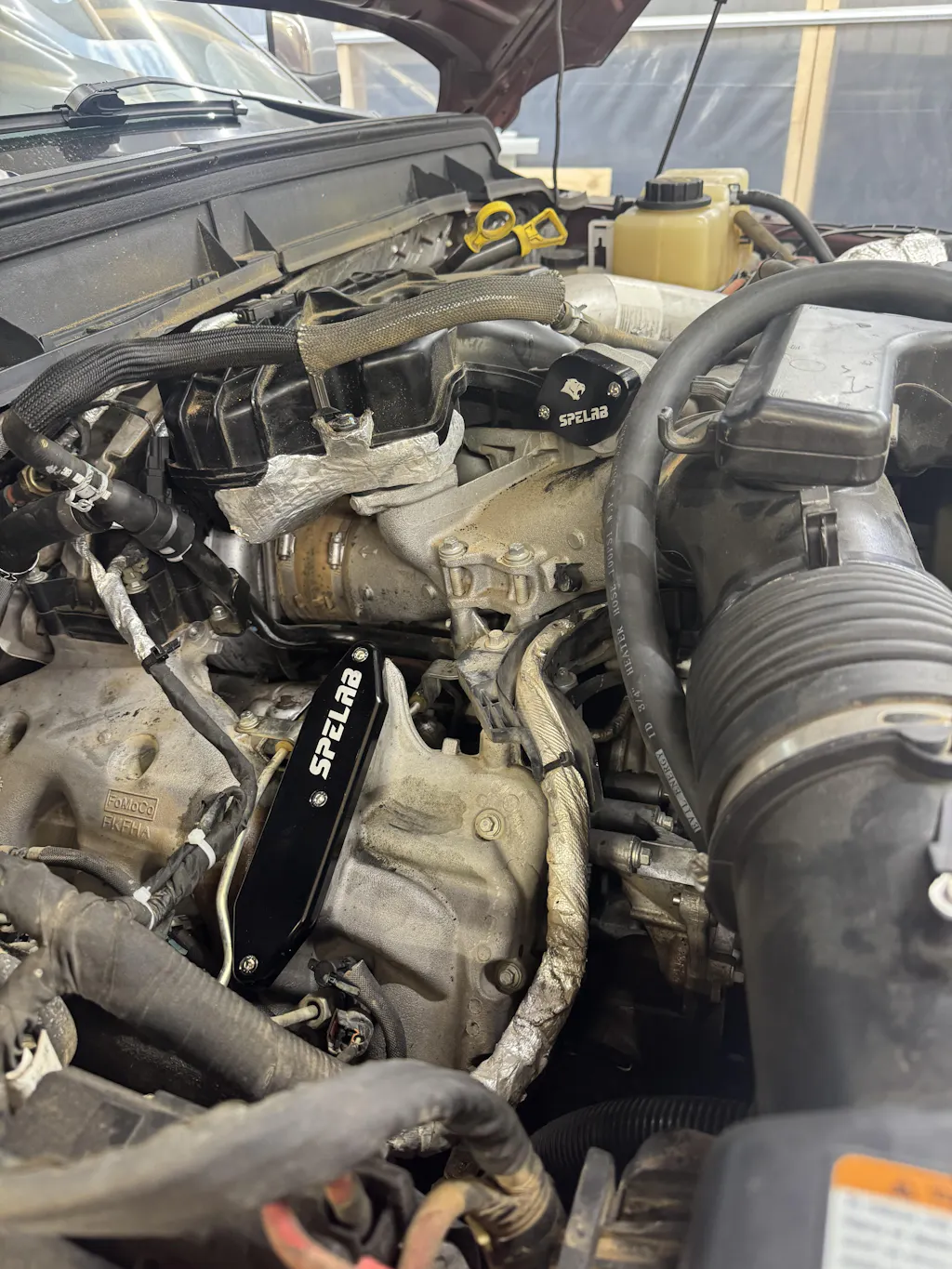
Drew Cook
Great Fit and Easy Install
Installed this on my 2015 6.7 Powerstroke and everything fit perfectly. Quality parts, straightforward install, and noticeable improvement in engine temps and reliability. Would definitely recommend this kit to anyone doing an EGR delete.
SPELAB 2015-2016 Ford 6.7L Powerstroke EGR Cooler Delete Kit