10 Products
Oil Cooler Kits
Oil Cooler Kits
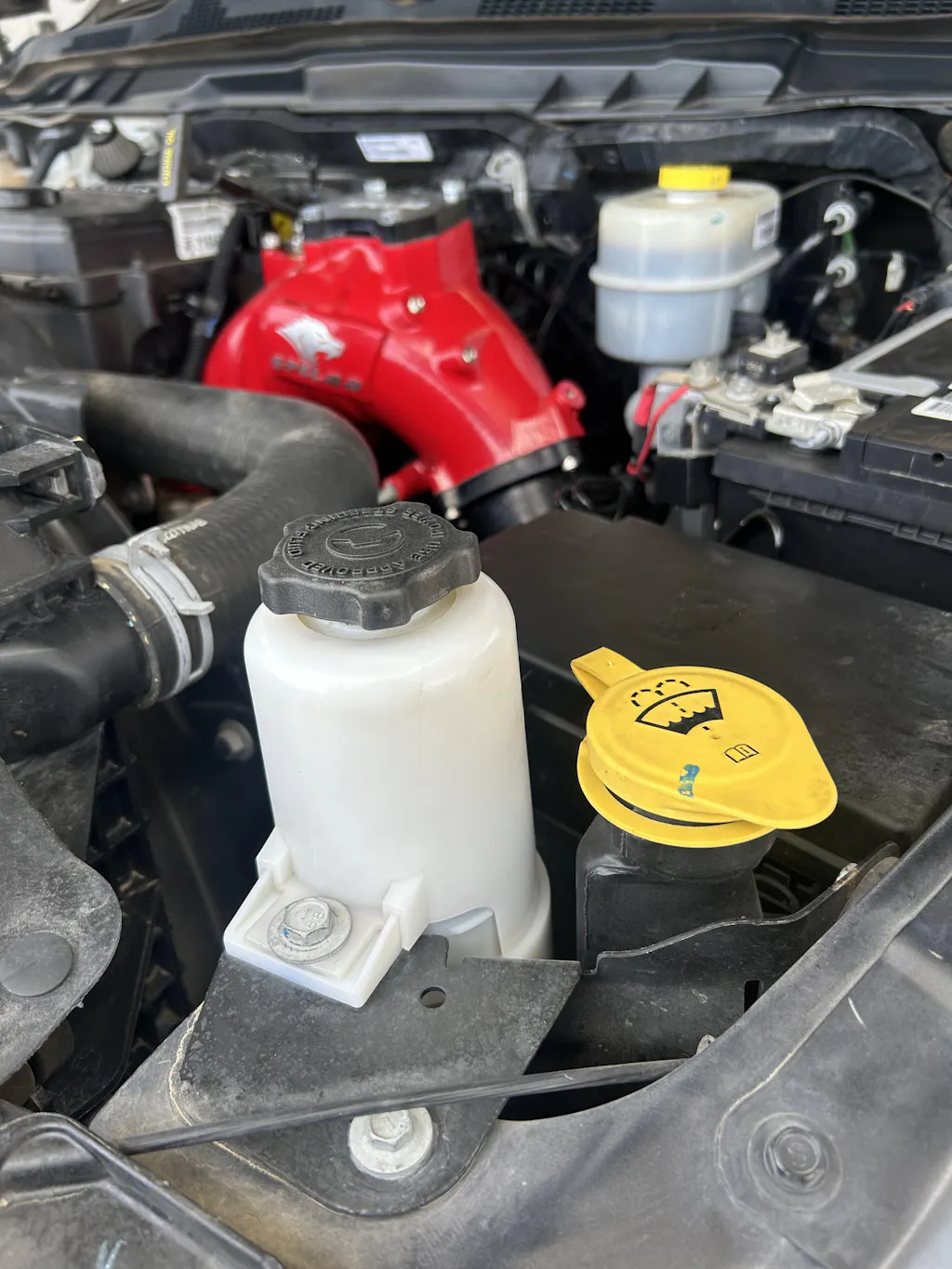
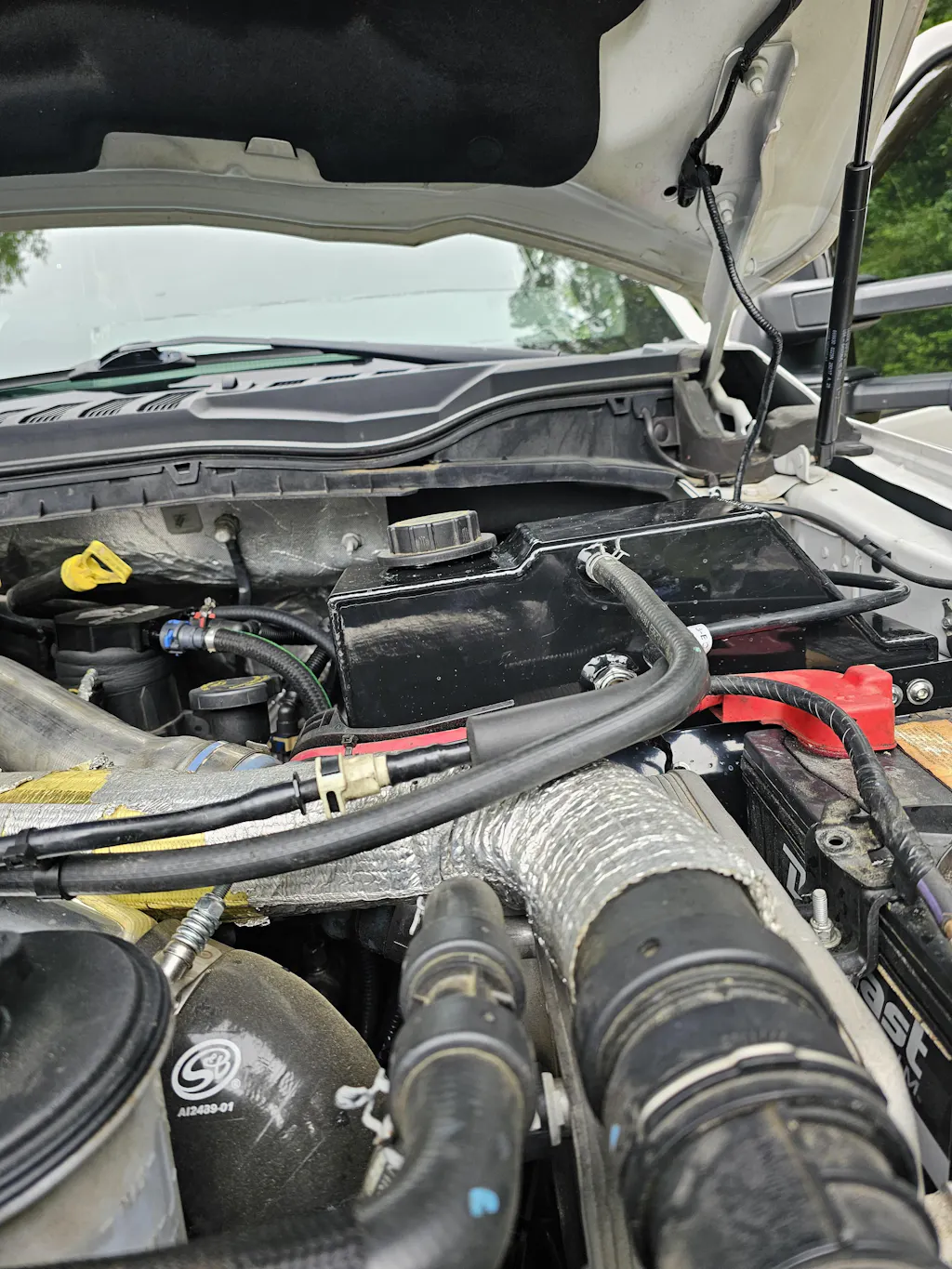
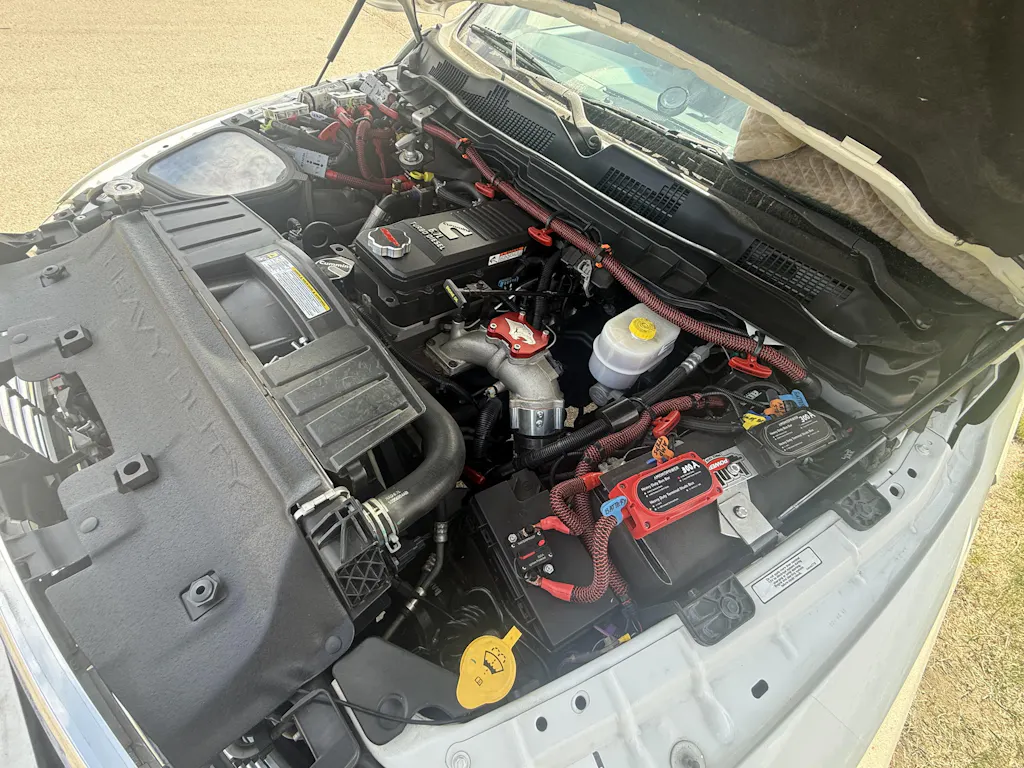
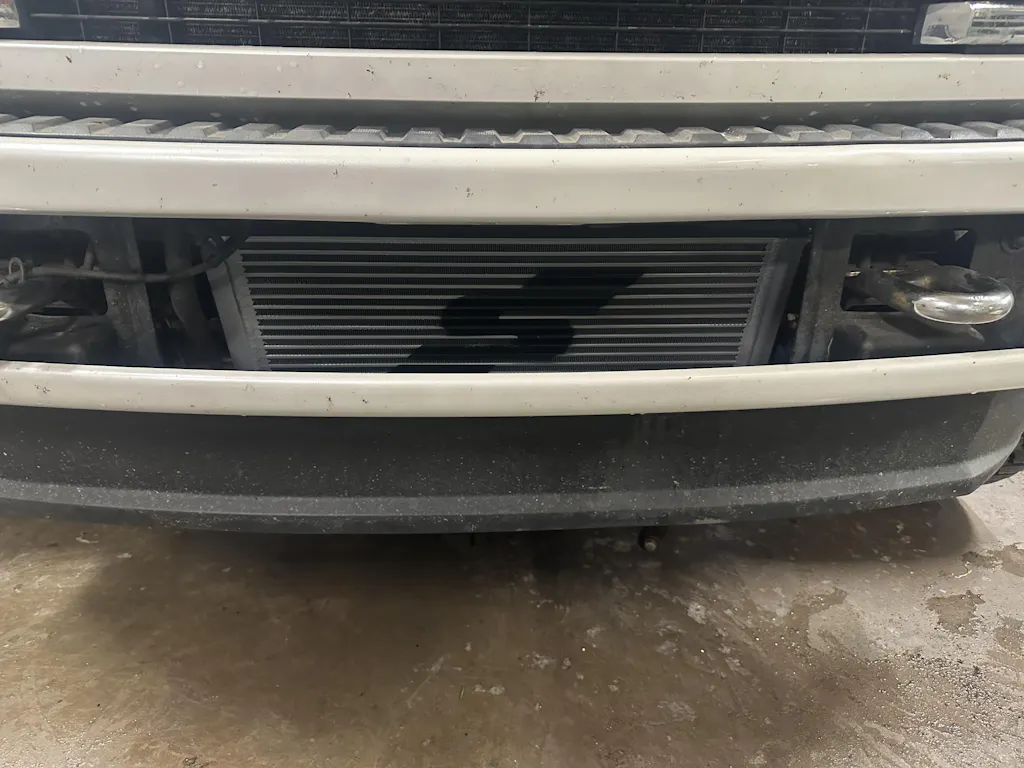
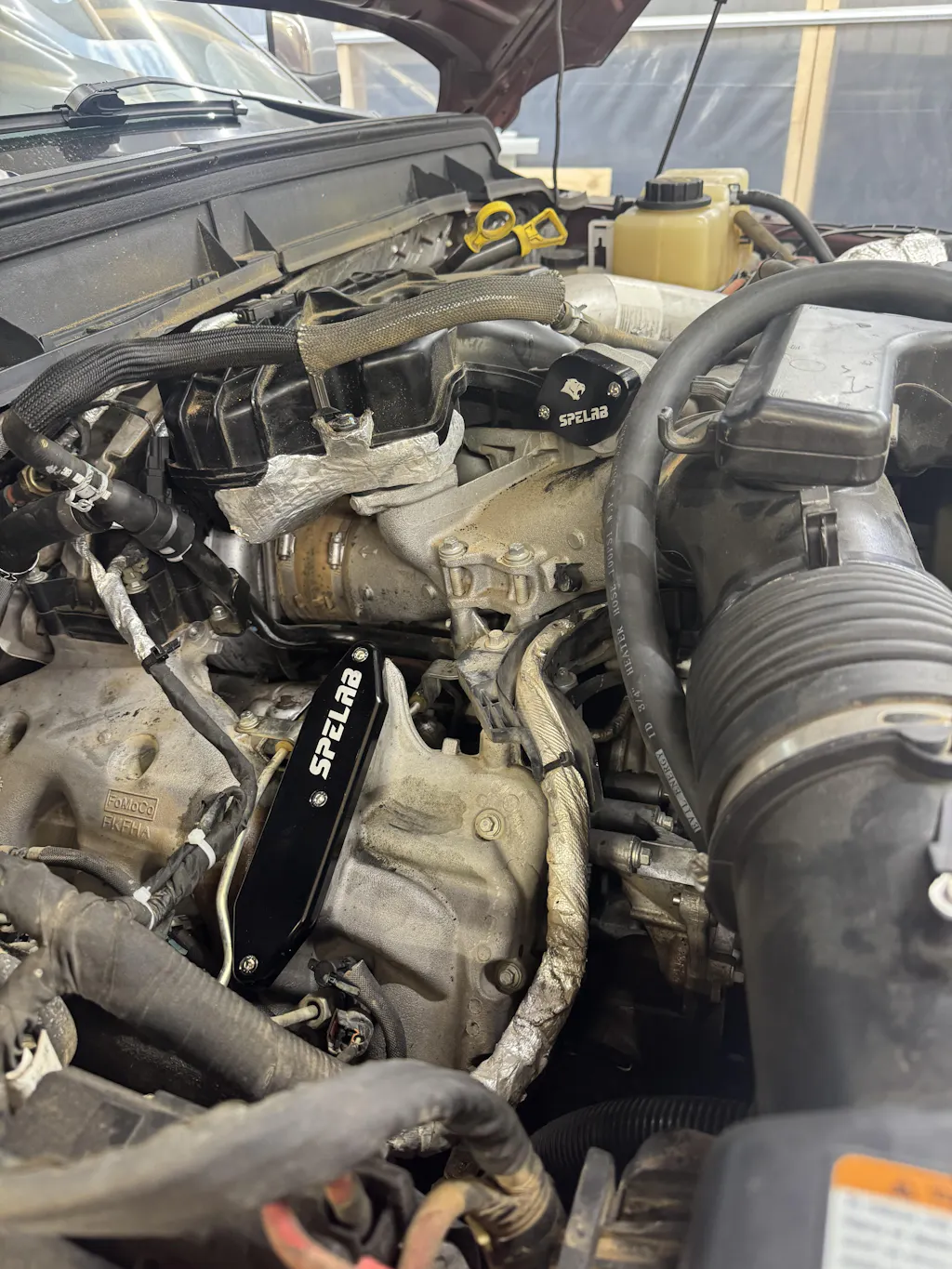
Oil cooler kits are aftermarket components designed to add or upgrade the oil cooling system in a vehicle.
Oil Cooler: The core component of the kit is the oil cooler itself. This is a heat exchanger designed to transfer heat from the oil to a cooling medium, such as air or coolant.
| Hoses and Fittings | The kit provides hoses and fittings that connect the oil cooler to the engine or transmission and to the vehicle's oil lines. These hoses need to be durable and heat-resistant. |
| Adapter Plates or Sandwich Adapters | In some cases, the kit might include an adapter plate or sandwich adapter that allows the oil cooler to be integrated into the existing oil filter housing. |
| Thermostat | Some high-performance oil cooler kits include a thermostat that controls the flow of oil through the cooler. This helps maintain the oil at an optimal temperature by allowing flow only when the oil temperature reaches a certain threshold. |
| Cooling Fans | In certain applications, particularly those where air flow might be restricted, the kit might include cooling fans to enhance the cooling efficiency of the oil cooler. |
| Seals and Gaskets | To prevent leaks and ensure a secure connection, the kit may include seals, gaskets, and other necessary sealing components. |
Select Your Vehicle
Let customers speak for us
from 5347 reviews
So far it looks nice and fit pretty well.
Welds look solid and professional quality, I have not installed them yet but I did put them in place under truck to ensure length and thus far everything looks good. I will give an update after install and on the road with them
Product came in earlier than expected and is made out of high quality materials. SPELAB hasn't let me down yet!!
The product installed perfectly high-quality superior part. For my 2022 f350. Coolant reroute kit.
Everything works great all parts fit hangers fit have pictures if needed
This is a really nice set up inexpensive but well-made. Make sure you use 1/4 inch drive and torque wrench, if you get the half socket 10mm and multi size extensions even better it’ll make getting those two back bolts easy
Makes truck breathe better and will definitely blow your y bridge out so do that while you’re in there looks great and fits up pretty good not perfect
Installed this SPELAB EGR Throttle Valve Delete on my 6.7 Cummins and the fitment was perfect. The kit was well made, installation was straightforward, and all the necessary parts were included. Everything lined up as it should and the truck runs great. Highly recommend for anyone looking for a quality replacement component.
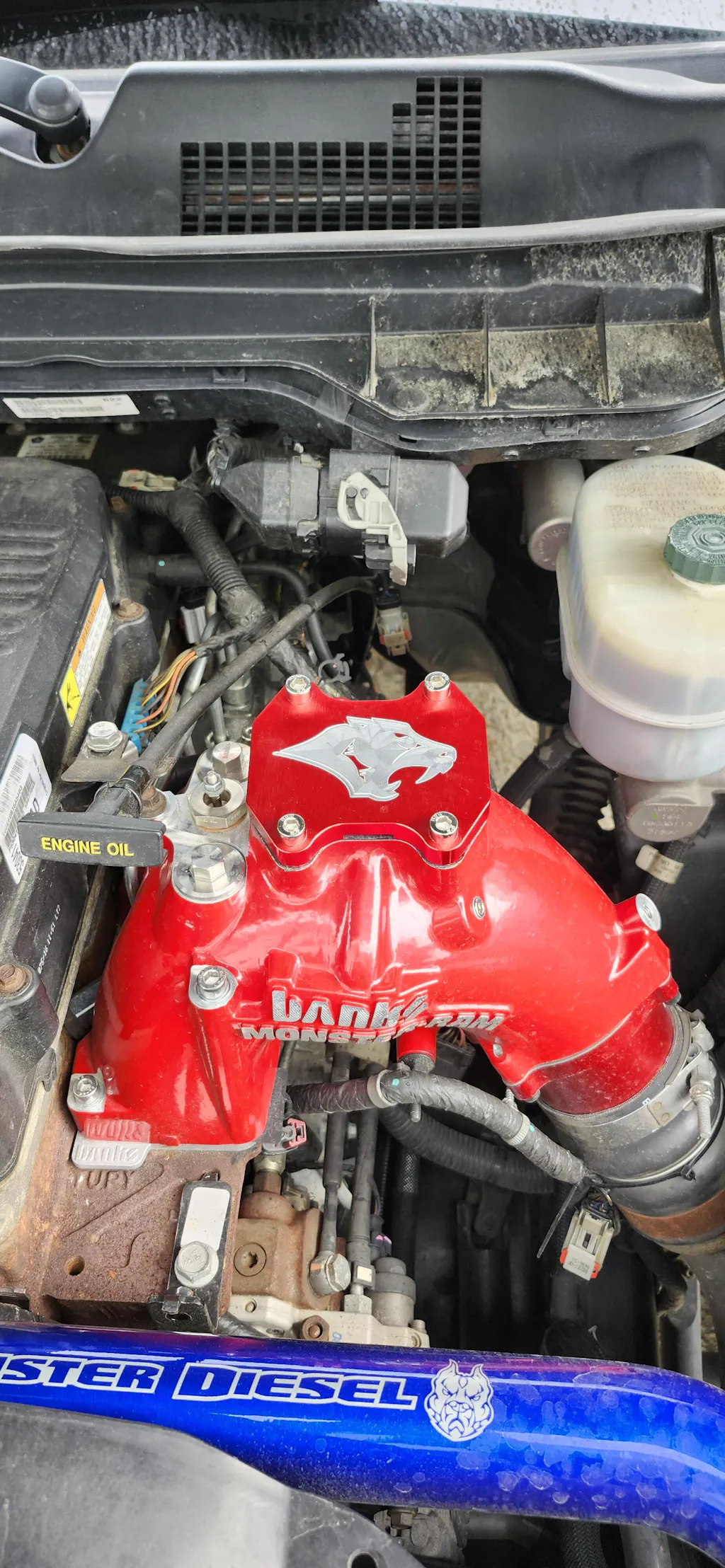
I originally had the Banks Monster Ram intake with grid heater delete, and costed $1200. Recently I decided to give Spelab a try for their 3.5” pusher style intake with grid heater delete. Fraction of the price and performs the same. Only regret I have was my purchase of Banks.
Great product
Good product fast sipping was not that bad of a job
Nicely done ✅
Easy installation and everything fit perfectly. The kit is well-made, comes with the necessary components, and worked as expected. Shipping was fast and the quality exceeded my expectations. Highly recommend for anyone looking for a reliable EGR delete kit.
Very impressed with the quality of the cooler. Couldn’t find any instructions for the install. However, I was able to figure it out and plan to post a video for anyone else who may need help with the install.
Installed this on my 2015 6.7 Powerstroke and everything fit perfectly. Quality parts, straightforward install, and noticeable improvement in engine temps and reliability. Would definitely recommend this kit to anyone doing an EGR delete.
Oil Cooler Kits faqs
An oil cooler is a heat exchanger that transfers heat from engine oil to either coolant or ambient air. In a diesel engine, oil operates under significantly higher thermal stress than in a gas engine — higher compression ratios, greater cylinder pressures, and sustained load conditions (towing, hauling) push oil temperatures well beyond what a standard oil pan can manage alone.
Signs your truck could benefit from an upgraded oil cooler:
- Oil temperatures regularly exceeding 240°F during normal driving or towing
- Long mountain grades cause the oil temperature gauge to climb toward the red
- Extended idle times in hot climates — diesels running under load generate enormous heat with minimal airflow
- Frequent short-trip driving where oil never fully reaches operating temperature, leading to fuel/water contamination
- Running a tuned truck with increased combustion pressures and higher horsepower output
Stock oil coolers are sized for stock conditions. If you tow, live in a hot climate, or have added a tune, an aftermarket oil cooler is one of the best ways to protect your engine long-term — keeping oil within its optimal temperature range (210–230°F) extends oil life and reduces internal wear.
Oil cooler kits vary by platform and application. Here is a quick reference for the major diesel platforms:
- Ford 6.0L Powerstroke (2003–2007): The 6.0L oil cooler is one of the most notorious failure points in diesel history. Clogged coolant passages in the oil cooler cause oil to overheat, leading to head gasket failure and EGR cooler ruptures. Bulletproofing a 6.0L almost always includes an oil cooler replacement or external oil cooler upgrade. This is not optional — it is mandatory for a healthy engine.
- Ford 6.7L Powerstroke (2011–2024): The 6.7L has a more robust factory oil cooler than the 6.0L, but heavy towing and tuning still push it past its limits. Mishimoto and SPELAB both offer external oil cooler kits as supplements to the factory unit for owners running tunes or frequently towing near maximum GCWR.
- GM Duramax (all generations): Duramax oil cooler failures can be catastrophic — when the oil cooler clogs or fails, oil supply to the engine is disrupted, leading to immediate engine failure. The LML (2011–2016) and L5P (2017+) are particularly sensitive to oil cooler issues under high-load conditions.
- Dodge Cummins 6.7L (2010–2024): The 6.7L Cummins benefits from a factory oil-to-coolant oil cooler, but upgrading to a larger-capacity external oil cooler reduces oil temps under sustained heavy loads and extends the life of both the engine and the turbocharger.
When purchasing an oil cooler kit, confirm your exact engine platform, model year, and whether you need a coolant-to-oil cooler (factory-style) or an air-to-oil cooler (external, mounted in front of the radiator).
An oil cooler failure does not always announce itself with a warning light. Watch for these symptoms:
- Oil temperature spikes under load: If the temperature gauge climbs rapidly when towing or climbing grades, the oil cooler may be restricted or failing
- Coolant contamination: Milky-colored coolant or oil showing up in the coolant overflow bottle — a cracked oil cooler core allows oil and coolant to mix, which is catastrophic for both systems
- Low oil pressure: A failing oil cooler can restrict oil flow to critical engine bearings, causing pressure drops especially at idle and under load
- Excessive oil consumption: Oil coolers that develop internal leaks consume oil by feeding it into the cooling system rather than burning it in the combustion chamber
- Oil smell in the coolant: Radiator overflow tanks that smell like burnt oil are a strong indicator of oil-cooler-to-coolant leakage
If you notice any of these symptoms, stop driving immediately. An oil cooler leak that cross-contaminates your oil and coolant can lead to engine failure within minutes. This is not a repair to delay.
Both options have their place depending on your truck's situation:
- OEM replacement: Use an OEM oil cooler (Mopar, Motorcraft, ACDelco) if you are replacing a failed unit on a stock truck. OEM coolers match factory specifications exactly and are the safest choice for warranty-covered vehicles. For the 6.0L Powerstroke, Ford's updated oil cooler design (post-2005 revisions) is significantly more reliable than earlier versions.
- Aftermarket upgraded oil cooler: Choose an aftermarket kit (SPELAB, Mishimoto, BD Diesel, Banks Power) if you want to supplement or replace the factory cooler with a higher-capacity unit. Aftermarket options offer:
Greater heat dissipation capacity for modified and heavy-duty builds
Thermostatic bypass valves to warm the engine faster in cold climates
External mounting for improved airflow and cooling efficiency
Stainless steel construction for corrosion resistance
Bottom line: Replace with OEM if you are doing a one-time repair on a stock truck. Upgrade to an aftermarket kit if you are building a performance diesel, regularly tow near max capacity, or own a 6.0L Powerstroke.
Installing an oil cooler kit ranges from moderate to advanced difficulty depending on the platform:
- Difficulty level: Intermediate to advanced — this is not a beginner project
- Time required: 3–8 hours depending on platform and whether you are replacing the factory cooler or adding an external supplemental cooler
- Platform-specific notes:
6.0L Powerstroke: Requires draining coolant, removing intake or valve cover for access, and bleeding the cooling system after installation. Often combined with EGR cooler deletion for a full repair package.
6.7L Powerstroke and Duramax: External oil cooler kits are mounted in front of the radiator — more accessible but require routing coolant lines through the engine bay.
Cummins 6.7L: Factory oil-to-coolant cooler is integrated — adding an external air-to-oil cooler is the most common upgrade approach.
- Critical step: Bleeding air from the cooling system after installation. Air pockets in the coolant lines can cause overheating and damage. Follow the kit instructions carefully, and consider having coolant flow checked at a shop if you are unsure.
If you are not comfortable working with coolant systems or need to remove major engine components for access, this is a job for a diesel mechanic. The cost of professional installation (typically $200–$500 labor) is a worthwhile investment compared to the damage caused by an improperly installed coolant system.